


By Stephen Brawer, Chairman of the Belt and Road Institute in Sweden
This article is reposted here courtesy of the China Global Television Network (CGTN).
The topic of women’s rights and gender equality necessarily raises strong and profound thoughts on how to secure the advancement of human civilization in today’s world. The Global Leaders’ Meeting on Women held on the 13th to the 14th of October in Beijing was a high-level international conference bringing world leaders in government, heads of state, ministers, and leaders from international organizations together to address this theme. This conference also marks the 30th anniversary of the Fourth World Conference on Women held in Beijing in 1995, which adopted the Beijing Declaration and Platform for Action and was a milestone in the global advancement of women’s rights.
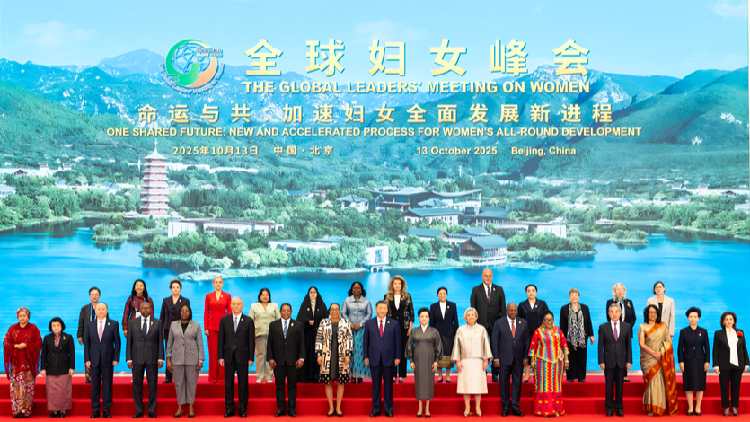
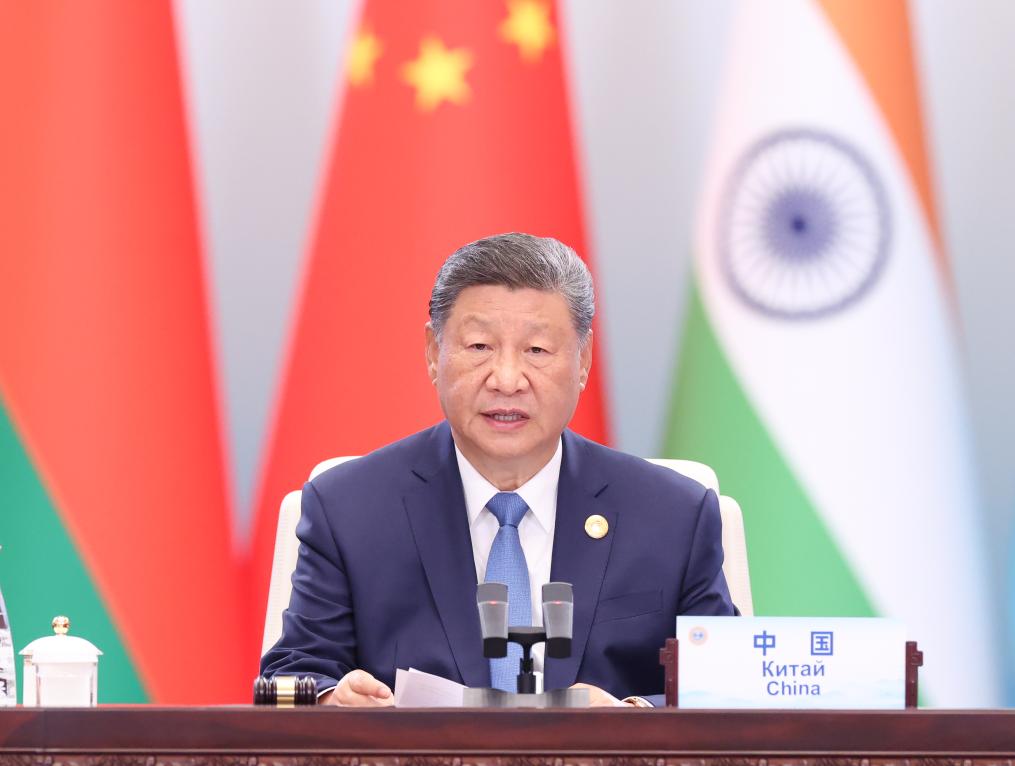
In a certain sense, the battle to protect and advance the rights of women globally cannot be separated from the international efforts to eliminate poverty and promote development as the means to achieve world peace and avoid conflict and war. In that sense, the Belt and Road Initiative remain the crucial strategic framework to bring about this result. China’s President Xi Jinping continues to provide the leadership pointing the cause of humanity in that direction. In addition to the Global Development Initiative, the Global Security Initiative, and the Global Civilization Initiative, he has now issued the Global Governance Initiative. All these initiatives are focused upon establishing new international relations with the ultimate goal being “a community for a shared future for mankind.”
Yet, despite the inescapable importance of this framework for development, the world is still heavily impacted by violence, poverty, and conflict and over 600 million women and girls are victimized by these horrendous conditions. The unique role of women in bearing the children of humanity will forever remain a guiding light for mankind’s future. This is not entrapment but rather a blessing of how the universe has been created in harmonic ordering that embodies an eternal beauty that is most clearly reflected in the feminine character. Not to respect that in the most profound sense leads to a downward spiral of destruction. It is my view that this reality has a central place in Chinese culture in the great spiritual work of Chinese civilization the Yi Ching, the Book of Changes. Here, in the very beginning, are the trigrams of the creative spirit together with the receptive spirit that constitute the yin/yang together as one that builds and define humanity’s relationship to the cosmos. When we perceive one another in this light it elevates the spiritual side of human existence above that of the beasts, or as William Shakespeare expressed it so poetically, “We, (humanity) are the crown of creation.” When humanity acts with this concept in mind, we overcome the lust for the power to dominant and abuse which drives the world towards “the law of the jungle.” Recognizing this also has an essential place in promoting the importance of the family, which finds its deepest roots in ancient Chinese Civilization and the thinking of its great sage Confucius. This kind of thinking will continue to play a vital role in China’s march towards rejuvenation, modernization and the vision focusing on 2035 and 2049 for the improvements of all the people’s lives and well-being.
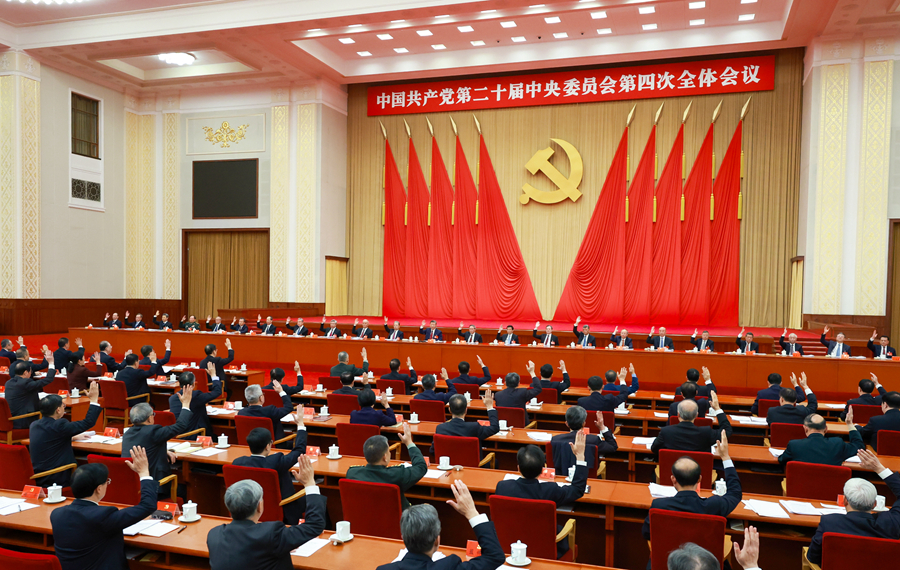
The significance of the Global Governance Initiative emerges in the content of the Fourth Plenary Session of the 20th CPC Central Committee, as the recommendations for formulating the 15th Five-Year plan for national economic and social development (2026–2030) have been laid out. The long-term objectives of the Chinese nation combined with the highly successful implementation of high-quality development and innovation together with increased productivity in multiple areas of providing better living conditions improved health care, education, advancing science research in space research and development, AI technology including robotics, and the leading role internationally in green technology for a cleaner and harmonic living space for the people are collectively leading the nation forward. This unmistakable progress and advancement of China’s development is being seen in Europe. In light of this, the Global Governance Initiative proposes a new basis for international relations based on multilateralism. It is a major public good contributed by China to the world community. This new Global Governance Initiative will also cultivate powerful momentum in the cause of women’s rightful place in world justice. This is how these two great initiatives come together and provide a powerful framework for protecting and promoting humanity’s best interests. There are still great challenges and much hard work to be done but let us continue to move down this path. It will bear the most fruit in the end.